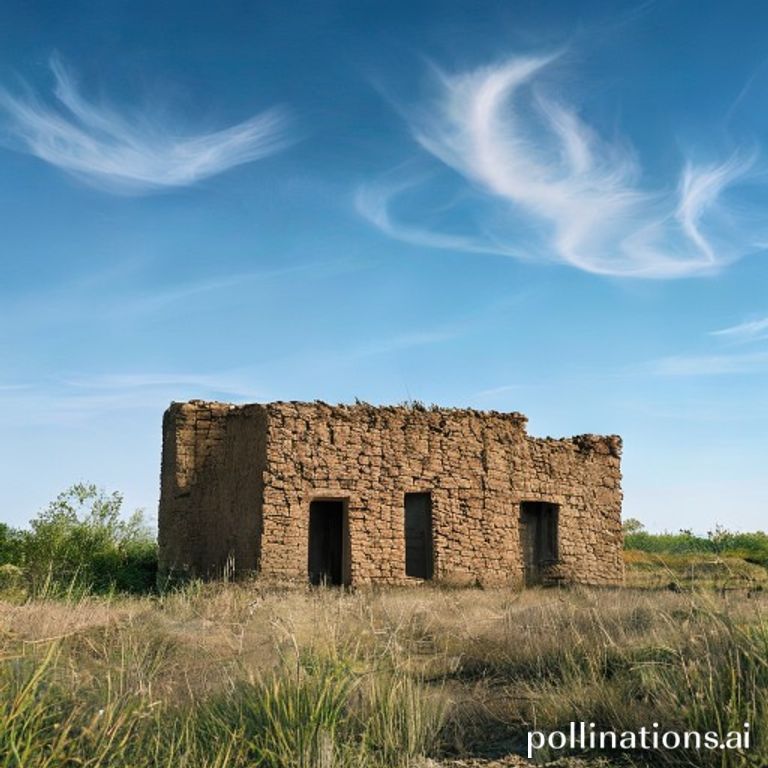
Unearthing the Secrets of Adobe: More Than Just Mud
When we think of early settlements, images of sturdy log cabins or stone structures often come to mind. But for countless pioneers and indigenous peoples across the globe, the humble dwelling of mud brick, or adobe, was the cornerstone of their existence. These seemingly simple homes hold a profound and often overlooked history, a testament to human ingenuity, environmental adaptation, and a deep connection to the land. Let’s delve into the hidden history of these remarkable mud brick homes.
The Alchemy of Earth and Water
The construction of mud brick homes is an ancient practice, dating back thousands of years. The fundamental ingredients are deceptively simple: soil rich in clay, water, and often a binder like straw or animal dung. This mixture, when carefully prepared and shaped into bricks, dries under the sun to form incredibly durable building materials. The process itself was an art form, passed down through generations. The right soil composition was crucial – too much sand and the bricks would crumble; too much clay and they would crack excessively when drying. Water content was equally vital, determining the plasticity of the mix and the ease with which it could be molded.
A Symphony of Sustainability
Long before the concept of ‘eco-friendly’ entered our vocabulary, mud brick construction was the epitome of sustainable living. The materials were readily available, often sourced directly from the building site, minimizing transportation needs and environmental impact. The thermal properties of adobe are exceptional. Thick mud brick walls act as natural insulators, keeping homes cool in the sweltering heat of summer and warm during chilly winters. This passive climate control significantly reduced the need for artificial heating and cooling, a remarkable feat of natural engineering that modern builders are only now beginning to fully appreciate.
Homes Rooted in Culture and Community
The construction of these homes was rarely a solitary endeavor. It was often a communal effort, a way for communities to come together, share skills, and build not just houses, but also bonds. In many cultures, the design and decoration of mud brick homes held significant symbolic meaning, reflecting beliefs, social status, and artistic expression. From intricate geometric patterns etched into the plaster to colorful murals adorning facades, these dwellings were vibrant canvases of cultural identity. The resilience of these structures is astonishing; many have stood for centuries, bearing witness to the passage of time and the enduring spirit of their inhabitants.
Beyond the Walls: A Legacy of Resilience
The history of mud brick homes is a story of resourcefulness, adaptability, and a profound understanding of the natural world. These structures provided shelter, security, and a sense of belonging for countless families. They represent a time when humanity lived in closer harmony with the environment, utilizing its resources wisely and respectfully. Today, as we face the challenges of climate change and sustainable development, the lessons learned from the ancient art of adobe construction are more relevant than ever. So, the next time you see a mud brick structure, remember that you are looking at more than just walls; you are glimpsing a rich, hidden history of human resilience and ingenuity.